Over the past decade, Europe has experienced a series of transformative events that have significantly affected its citizens. These include the economic crisis, the rise of populism, increasing anti-European sentiment, and a surge in nationalism. Amidst these changes, one demographic remains consistently underrepresented, even though its influence could profoundly shape the continent’s future: young people.
In this article, I will explore how young people are engaging with civic life and why their involvement is essential for the future of European democracy.
To begin with, the 2019 European election saw the highest voter turnout in more than 20 years, with over half of the European population casting their ballots. Notably, youth participation surged from 28% [1] in the 2014 elections to 42% in 2019. This increase reflects a growing interest among young people in the electoral process, which is a highly positive outcome. But why is it so critical for as many young citizens as possible to engage in civic society?
There are several key reasons. First, youth participation strengthens European democracy by ensuring that governments take into account the perspectives of this vital demographic. The attitudes and values of younger generations often signal future social and political trends. Additionally, when a larger proportion of a country’s population engages in civic life and voting, lawmakers can pass legislation that is more inclusive and reflective of the aspirations of a broader section of society. This inclusivity can foster a more peaceful and cohesive society.
Young people, in particular, will feel the long-term effects of government decisions—such as those related to taxation—throughout their lives. Hence, it is crucial that they stay informed and active in shaping the world around them, advocating for necessary improvements in society.
Civic engagement is not an abstract concept; it is the foundation of our communities, shaped by our collective efforts. Therefore, it is imperative that we strive to align our societal structures with the principles and values we hold dear.
One of the current challenges is that youth engagement varies greatly across European nations. Some countries, like Portugal (15.7%), Slovakia (15.7%), Greece (15.2%), and Italy (15%), have relatively smaller youth populations compared to nations such as Iceland (20.9%), Cyprus (19.8%), or Denmark (19%). In countries like Poland, Slovakia, and Italy, over 60% of young people do not actively participate in civic activities, while nations like Greece and Portugal report higher youth participation, with around 50% engagement.
There are many reasons why some young people may be less inclined to participate. These include lack of time, insufficient interest, or simply never having been invited or encouraged to get involved.
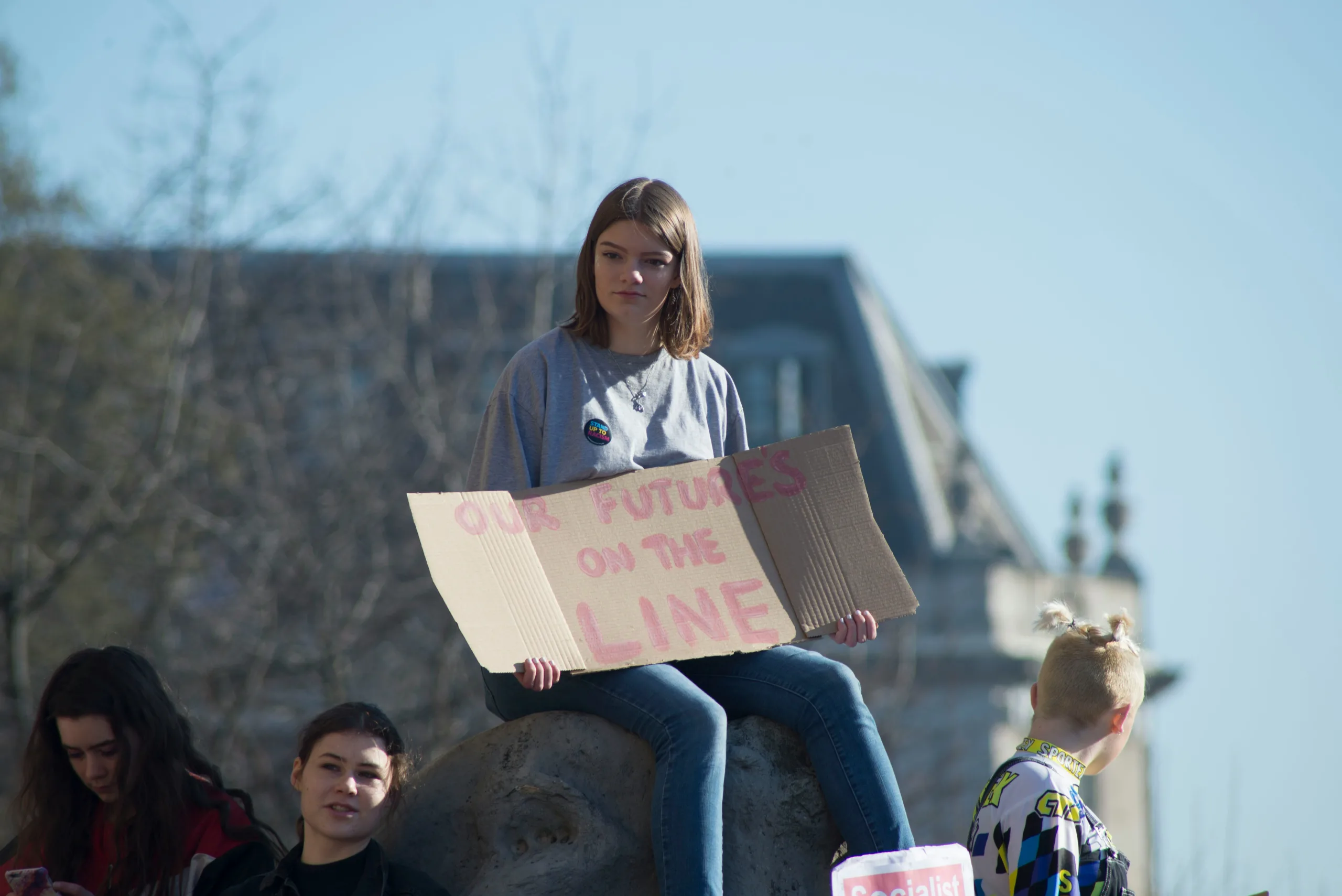
So, how can young people participate in democracy beyond voting? Civic engagement encompasses a wide range of activities. Youth can express active citizenship through protests, petitions, or direct communication with political representatives, ensuring their voices are heard throughout the year, not just during elections. Directly addressing decision-makers on pressing issues can be a powerful way to influence change.
Young individuals can also contribute to society by volunteering, organizing, or joining cultural and leisure activities. Research indicates that over half of Europe’s young citizens are involved in initiatives promoted by youth organizations. Popular forms of engagement include sports, volunteering, and recreational hobbies.
Even small actions can count as civic engagement. For instance, using a specific hashtag, changing a profile picture on social media to signal support for a cause, posting about a recent event, or boycotting a brand are all ways young people can engage with societal issues.
Recognizing the importance of youth participation, the European Union has implemented a Youth Strategy aimed at fostering greater engagement in both democracy and society.
To further encourage youth involvement, initiatives should focus on issues that resonate with this age group. Across Europe, young people tend to share common concerns, such as addressing poverty and inequality, combating climate change, protecting the environment, and reducing unemployment. Furthermore, they are often strong supporters of the EU and generally express higher satisfaction with how democracy functions within the Union compared to older generations.
Creating specific programs to engage youth, such as internships in political institutions or continuous dialogue with politicians, could help young people feel more connected to and represented within the political system. These opportunities would demystify politics and make it more accessible to the younger population, reinforcing their role in holding elected officials accountable.
In conclusion, building a diverse and inclusive European democracy depends on encouraging young people to take an active role as citizens. This can only be achieved by creating opportunities that resonate with their interests and address the issues most important to them. Moreover, efforts to engage youth in civic society must strive for inclusivity, ensuring that all young citizens, regardless of socio-economic background, religion, ethnicity, gender, or other factors, have an equal opportunity to shape the future of democracy in their countries.
Given the current state of affairs in the European Union, it is increasingly evident that safeguarding the future of European democracy requires governments and institutions to not only invite but prioritize youth participation, embedding their voices in decision-making processes at all levels is essential.
Bianca Finessi, student of the University of Bologna.
References
- European Union, Understanding youth engagement in Europe through open data, data.europa.eu, 2023.
- European Youth Strategy: https://europeanyouthstrategy.eu/