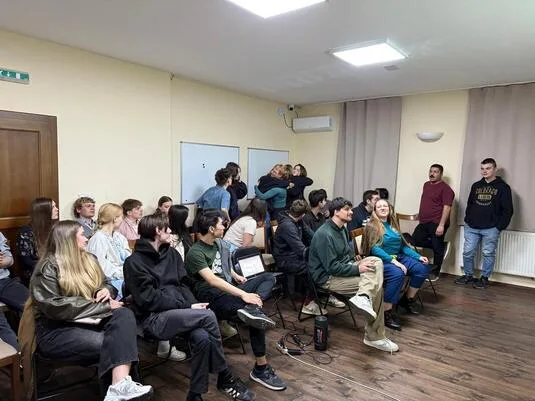
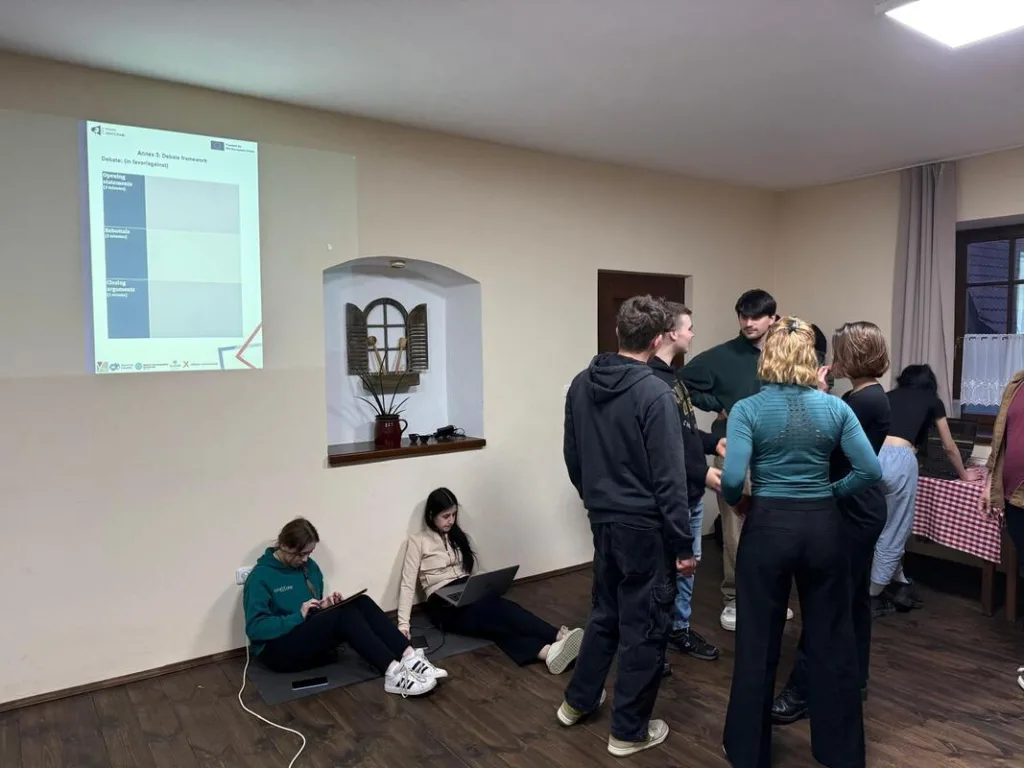
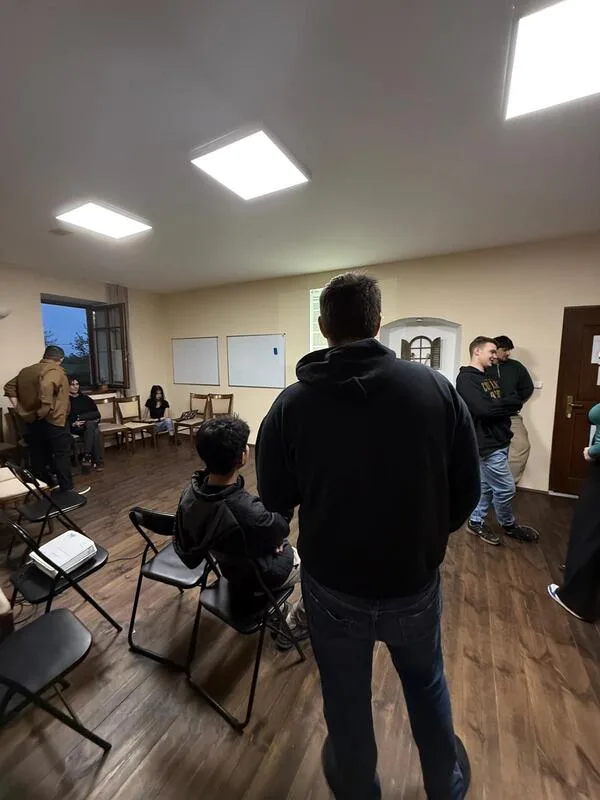
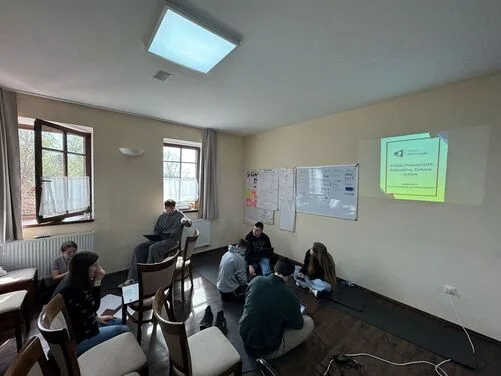
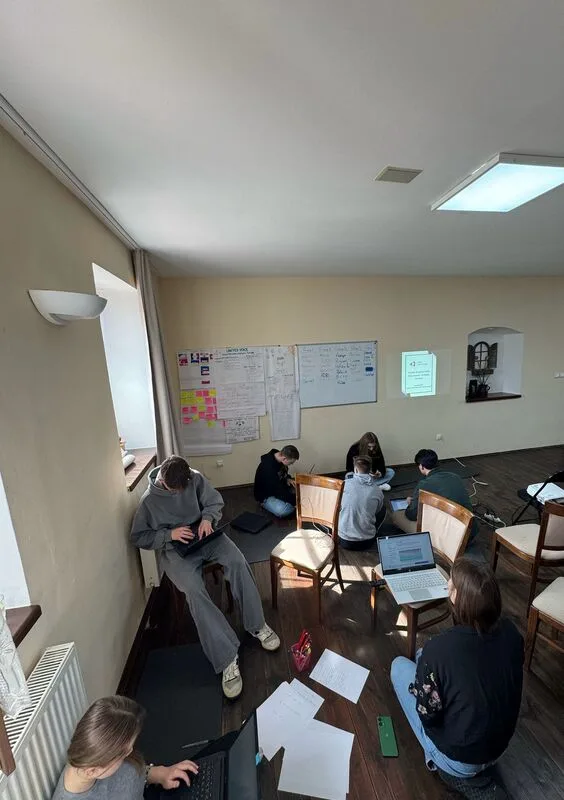
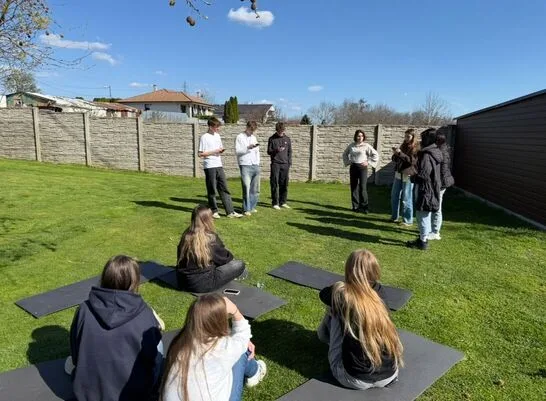
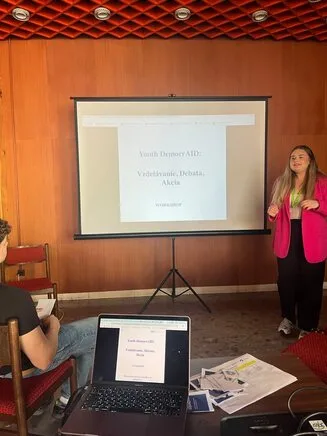
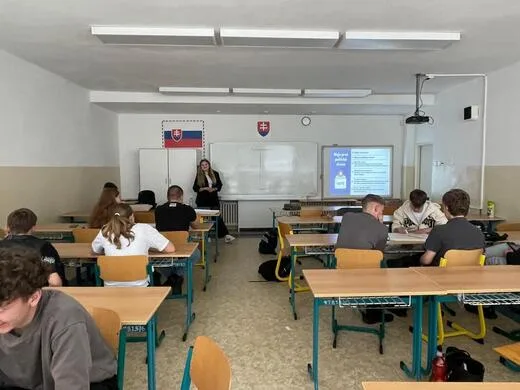
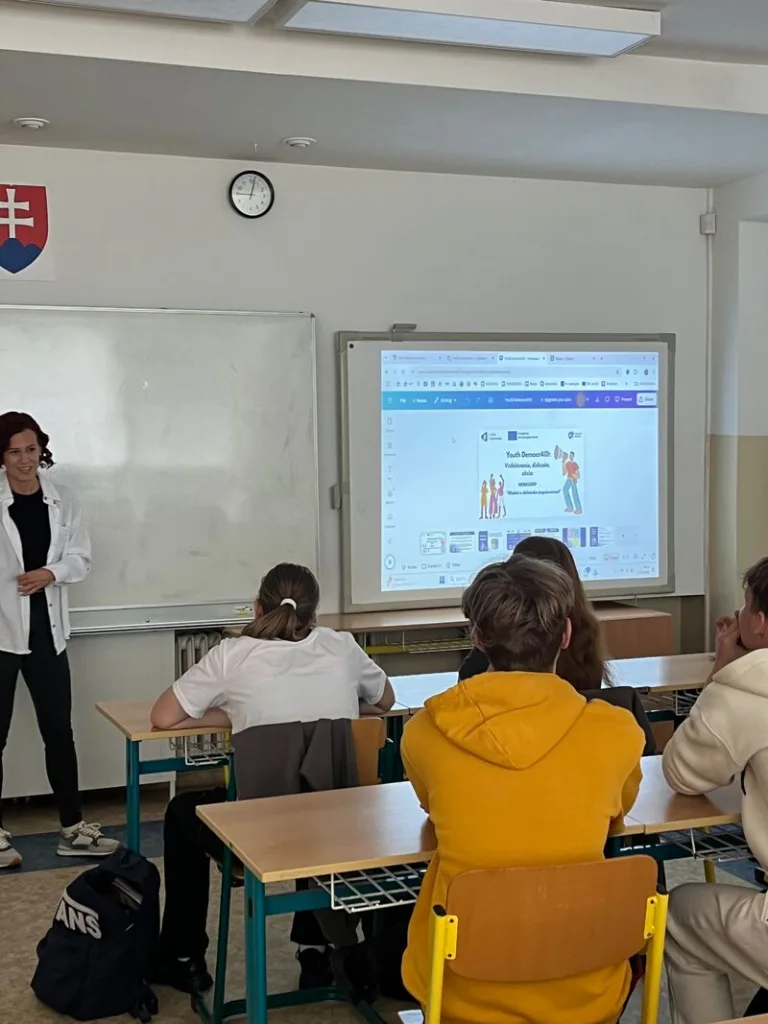
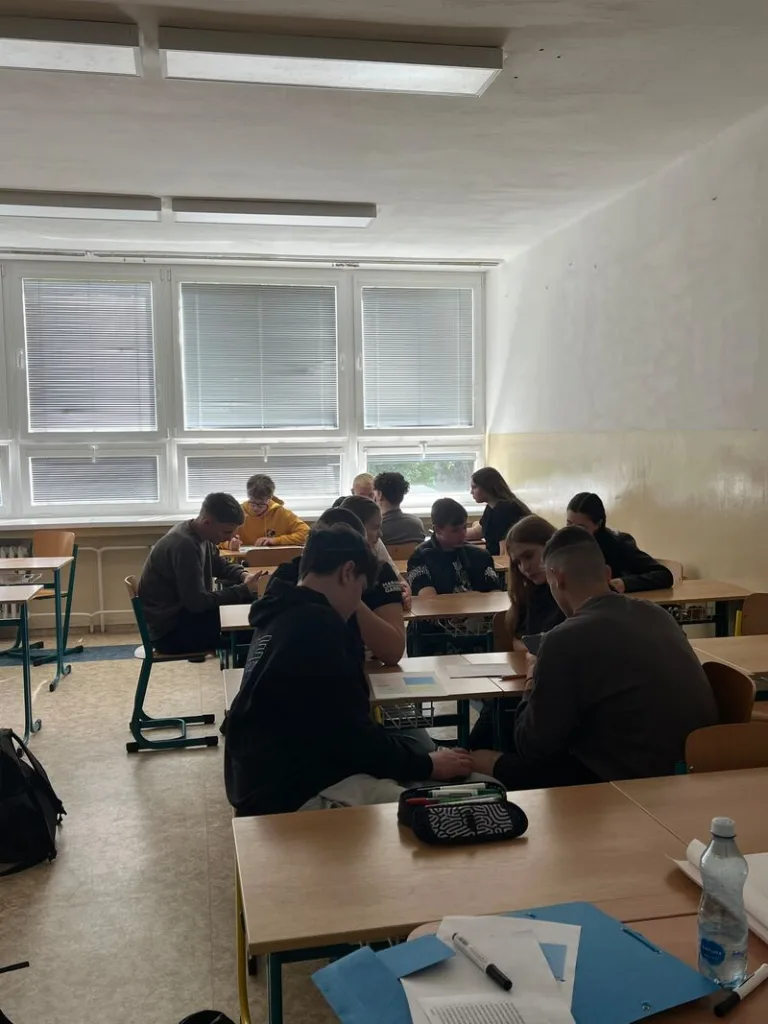
On April 8, 2025, our organization Youth for Equality successfully organized a local workshop titled Introduction to Democracy and Citizenship within the framework of the international project Youth DemocrAID, supported by the Citizens, Equality, Rights and Values (CERV) programme of the European Union. The workshop was designed for high school students and focused on encouraging their understanding of democratic principles, civic responsibility, and active participation in society.
Through a variety of interactive, non-formal learning activities, participants explored how democratic systems function, discussed the challenges of disinformation and media manipulation, and reflected on the values that shape open, pluralistic societies. One of the highlights was a creative exercise simulating the spread of fake news, which helped students understand the impact of online content and the importance of media literacy.
Another engaging part involved a budgeting simulation, where groups had to decide how to fairly distribute public money across different sectors, fostering negotiation and teamwork.
The workshop concluded with a thought-provoking debate on freedom of speech, during which students exchanged diverse viewpoints on whether and when limits on free expression are justified. Throughout the day, participants demonstrated high levels of interest, critical thinking, and willingness to listen and learn from each other.
We were truly inspired by their curiosity and openness, and we believe that such experiences play a vital role in shaping informed, responsible young citizens. We are grateful for the opportunity to host this event and look forward to continuing our efforts in civic education through the Youth DemocrAID project.
On April 9, 2025, Youth for Equality organized a workshop titled Youth Leadership and Empowerment as part of the international project Youth DemocrAID, supported by the Citizens, Equality, Rights and Values (CERV) programme of the European Union. The session was designed to inspire and equip young people with knowledge and tools to better understand their potential as leaders within their communities and democratic societies.
Through a series of interactive activities and guided discussions, participants explored the qualities of leadership, reflected on their own strengths and values, and learned about different leadership styles and approaches. The workshop focused on encouraging self-awareness, confidence, and motivation, helping young people identify areas where they can take initiative and influence positive change.
A key part of the session was the practical teamwork exercise, in which small groups collaborated to design youth-led community initiatives, practicing communication, decision-making, and shared responsibility. The workshop also touched on the importance of civic engagement, youth voice, and inclusive participation in public life.
Throughout the day, participants showed strong interest, creativity, and a willingness to support each other’s ideas, contributing to a safe and empowering learning environment. We are proud to have facilitated this space for self-discovery and connection, and we look forward to continuing our work in supporting youth leadership through upcoming activities in the Youth DemocrAID project.
On April 16, 2025, Youth for Equality organized a workshop titled Community Action and Grassroots Initiatives as part of the international project Youth DemocrAID, supported by the Citizens, Equality, Rights and Values (CERV) programme of the European Union. The aim of the workshop was to encourage young people to explore the concept of grassroots activism and to reflect on their role in shaping positive change in their communities.
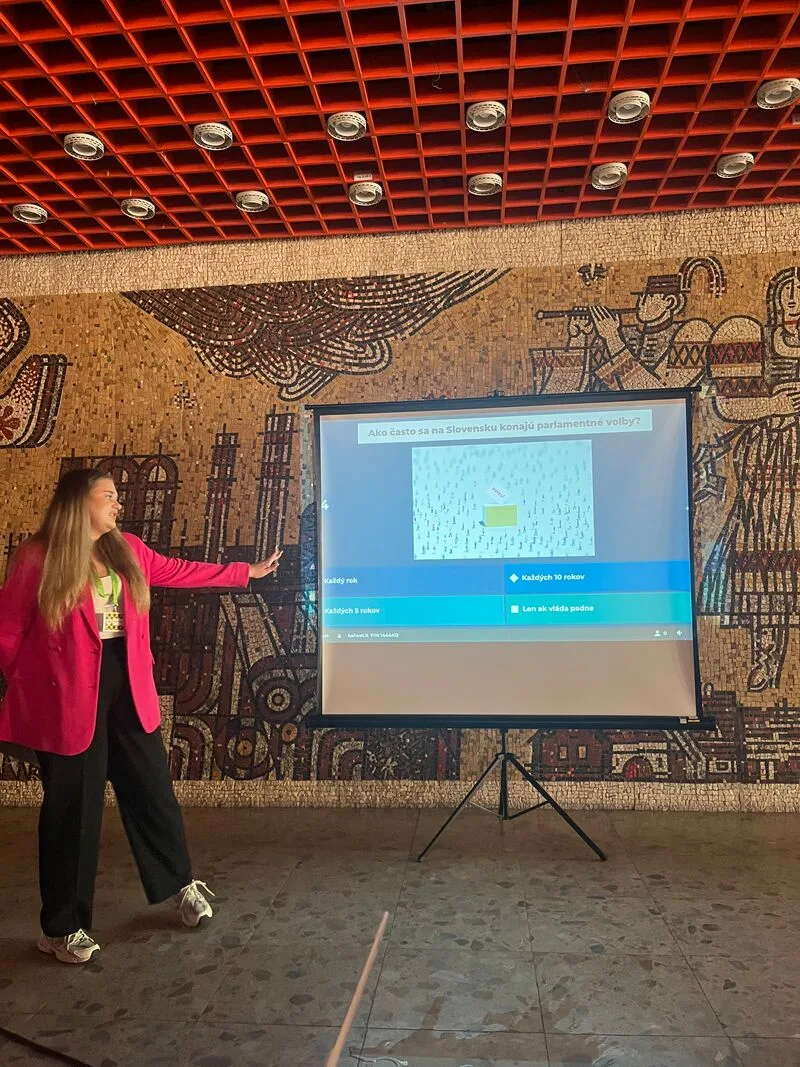
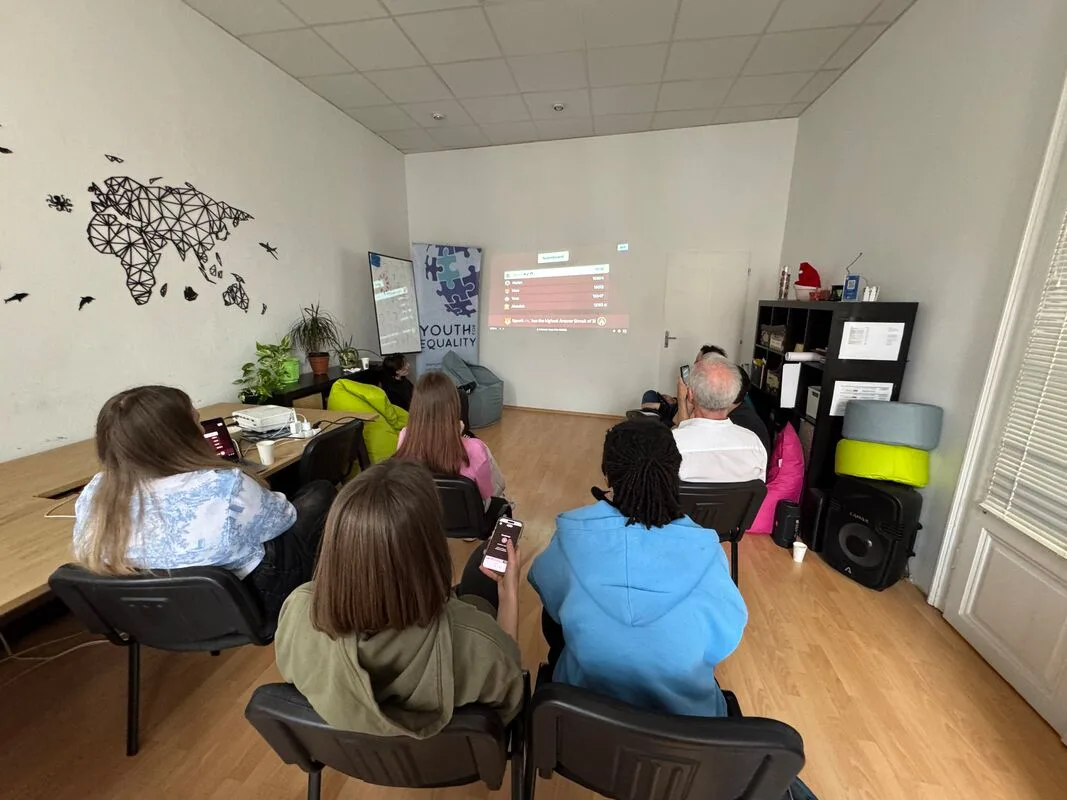
Throughout the session, participants took part in interactive group work, shared their ideas and experiences, and engaged in meaningful discussions about local challenges and collective solutions. To make the learning process more dynamic, a short quiz was also included, which helped reinforce key concepts in an engaging way.
The atmosphere during the workshop was open, inclusive, and full of energy, and participants demonstrated strong interest, creativity, and a spirit of collaboration.
We are pleased to see how motivated and thoughtful the young people were, and we look forward to continuing to support youth engagement and civic participation through the Youth DemocrAID project.
On May 26, 2025, Youth for Equality held a workshop titled Youth and Civic Engagement as part of the international project Youth DemocrAID, supported by the Citizens, Equality, Rights and Values (CERV) programme of the European Union. The workshop focused on promoting civic awareness and encouraging young people to actively participate in democratic life and social change.
Participants were introduced to key concepts related to civic engagement, political ideologies, and democratic values. The workshop used non-formal education methods and interactive activities, such as creating their own political parties, exploring their positions on a political compass, and engaging in group discussions.
These exercises were designed to help participants better understand their own values, develop critical thinking, and reflect on how they can make a difference in their communities. The session also included a fun icebreaker to build group dynamics and ended with a thoughtful debate on youth participation in politics.
The atmosphere was inclusive and dynamic, and the young participants showed high levels of interest and enthusiasm throughout. We are proud to have provided a space for open dialogue, creativity, and empowerment, and we look forward to continuing our mission to foster civic engagement among young people in Slovakia and across Europe.
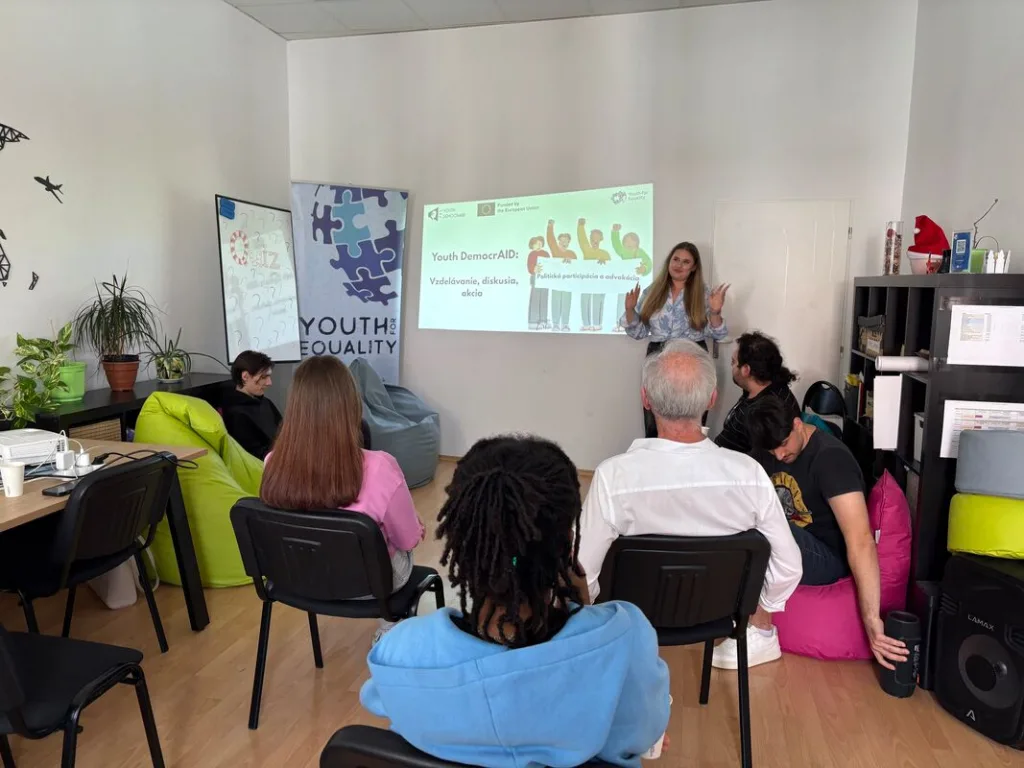
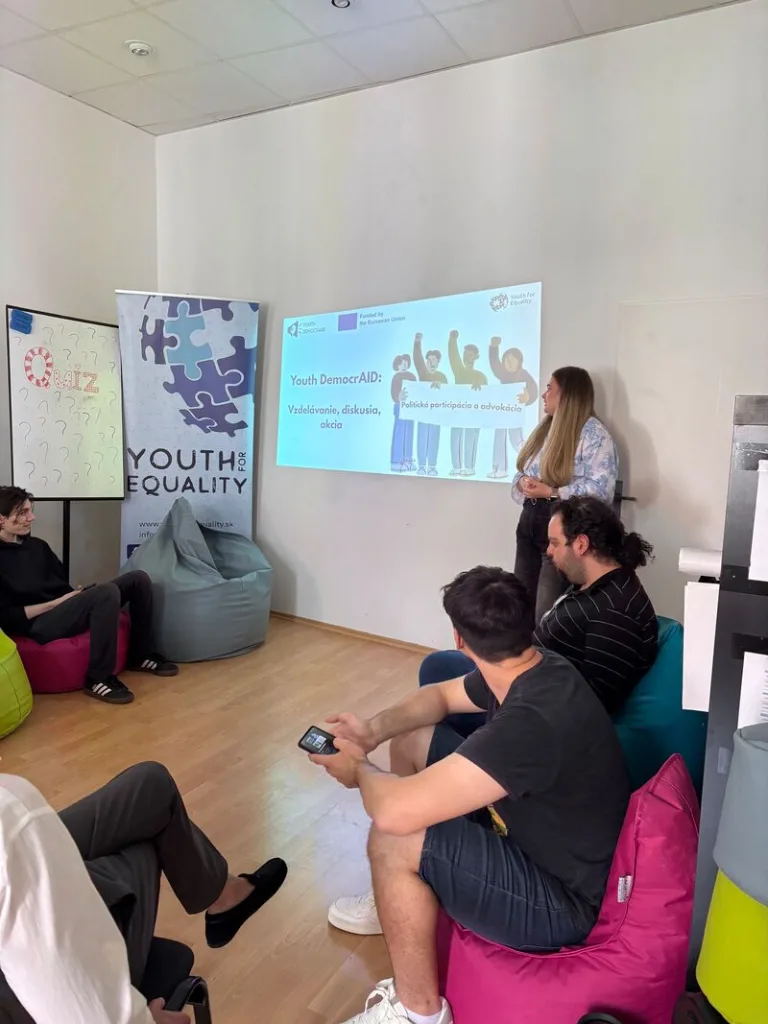
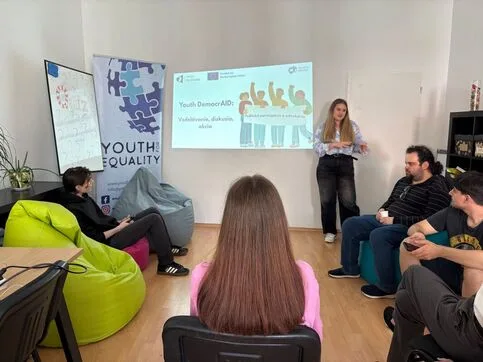
On May 28, 2025, Youth for Equality organized a local workshop titled Political Participation and Advocacy as part of the international Youth DemocrAID project, supported by the Citizens, Equality, Rights and Values (CERV) programme of the European Union. The event aimed to raise awareness among young people about the importance of political engagement and civic advocacy as essential tools for democratic participation.
During the workshop, participants explored various forms of political participation—both conventional and unconventional—and reflected on how youth involvement can drive social and political change. Through a series of interactive, non-formal activities, such as a knowledge quiz, small group discussions, and speed-debating sessions, participants had the opportunity to strengthen their critical thinking, communication, and collaboration skills.
The atmosphere was inclusive and engaging, allowing young people to freely express their opinions and engage in meaningful conversations on topics such as freedom of speech, political correctness, and the influence of digital platforms on civic participation. The session also included a final reflection activity in which participants imagined future advocacy campaigns on key social issues like mental health, education, and climate change.
Overall, the workshop successfully encouraged participants to view themselves as active members of society capable of shaping the future through democratic means. It was another meaningful step in our mission to foster civic education and youth empowerment across Europe.
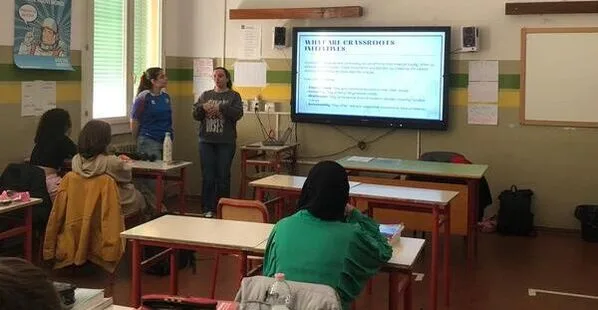
We had the opportunity to visit Liceo Laura Bassi to introduce our project, Youth DemocrAID: Education, Debate, Action, through a series of interactive workshops aimed at promoting youth engagement and democratic values. In total, we conducted four workshops, each focused on a different topic but all united by a common goal: empowering young people to actively participate in democratic life.
We began with a session on Ethical Standards and European Values, which served as a set of shared guidelines for how the workshops would be conducted — promoting respect, inclusivity, and open-minded dialogue. Following this, we introduced the CERV program (Citizens, Equality, Rights and Values), providing context for the European framework supporting our work. After that, we presented the Youth DemocrAID project, outlining its goals of education, debate, and action for empowering young people in democratic participation.
Community Action and Grassroots Initiatives
Under this theme, students took part in a dynamic activity called “Map of Change.” They identified key issues affecting their communities, explored their root causes and consequences, and reflected on how these challenges impact their daily lives.
We then moved to “From Idea to Action,” where students worked in teams to turn their ideas into real action plans. They organized their proposals into clear steps and presented them to the class for discussion and feedback.
Youth and Civic Engagement
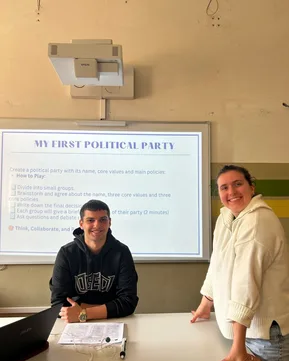
We kicked off this workshop with an energizer to boost motivation, followed by the activity “My First Political Party.” Students created fictional political parties, including names, core values, and main policy ideas. This helped them better understand how political ideologies are formed and how parties represent different viewpoints in a democracy.
We wrapped up with “Political Compass,” a quiz covering social and economic questions. Students reflected on their answers to discover where they stand politically and which ideologies align with their views. It was a fun and thoughtful way to explore personal beliefs and political positioning.
Political Participation and Advocacy
We started with a brief theoretical introduction, emphasizing how political participation strengthens democracy and shapes political awareness. Students learned about both conventional forms (like voting or joining parties) and unconventional ones (like protests and online activism).
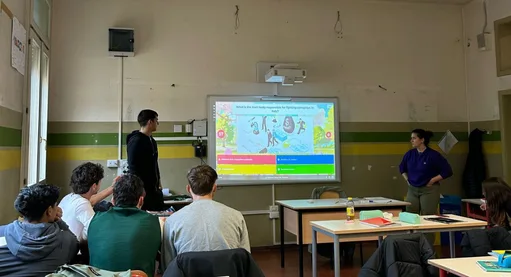
Next, we played a “Mind Game” where students created a crossword using the phrase “POLITICAL PARTICIPATION,” brainstorming words and ideas connected to political life. Then we tested their knowledge through a Kahoot quiz about the political systems in Italy and the European Union. We closed the session with “Speed Debating,” where students rotated tables to discuss a range of political topics. This helped them practice expressing their opinions, listening to others, and thinking critically.
Introduction to Democracy and Citizenship
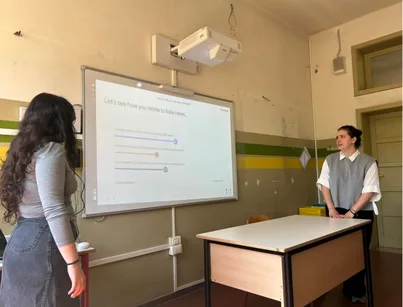
In our final workshop, we introduced the basics of how democracy works in Italy and invited students to share their knowledge. Using Mentimeter, we collected their opinions on the current state of democracy in their country.
We ended with a game called “Be a Fake News Content Creator.” Students analyzed various news stories, learning how to distinguish between real and fake information. The activity highlighted how misinformation can harm democratic processes and the importance of media literacy.
Throughout the sessions, we encouraged students to actively participate, think critically, and collaborate with their peers. Their enthusiasm and creativity were truly inspiring, and it was exciting to witness their engagement in shaping positive change within their communities. These workshops reaffirmed the importance of fostering youth-led initiatives and equipping young people with the tools to turn their ideas into meaningful action. We’re proud to support a generation that is ready to make a difference.