
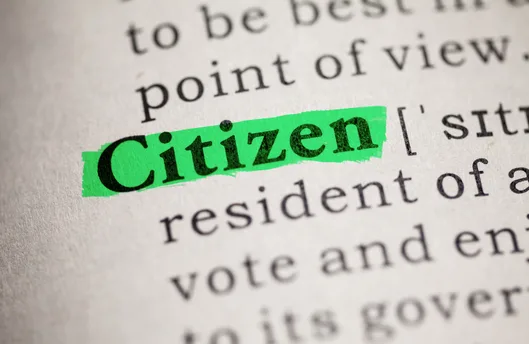
Being a citizen today is much more than simply holding a passport or showing up to vote. Citizenship is a living, evolving concept, one that asks individuals to engage, contribute, and take responsibility for the world around them. Voting remains a fundamental part of democratic life, but active citizenship goes beyond the ballot box. It includes volunteering in local projects, participating in community discussions, engaging in digital campaigns, or joining initiatives that promote social change. Understanding these diverse paths can help individuals, especially young people, recognize that they have the power to shape the communities they live in.
What Active Citizenship Really Means
Active citizenship is about being present and involved not just in formal politics but in the everyday life of a community. It is about taking responsibility for shared spaces, collaborating with others, and contributing to societal improvement. It involves both understanding social and political systems and finding ways to act within them. Today, citizenship is no longer a passive status; it is a set of behaviors, decisions, and actions that affect real lives.
In Europe, for instance, youth policies have begun emphasizing the value of engagement beyond voting. Programs encourage young people to explore a variety of ways to participate, from volunteering to advocacy campaigns, showing that citizenship can be a creative and empowering experience. The core idea is that participation is not just a duty, but a meaningful choice that connects individuals to the wider society.
Voting: A Necessary First Step
Although active citizenship includes many forms of engagement, voting remains one of the most visible expressions of democratic responsibility. Voting is a mechanism through which individuals can express their opinions, influence policies, and hold leaders accountable. Yet, statistics show that many young people feel disconnected from politics. For example, recent Eurobarometer surveys indicate that while a majority of young Europeans believe their voice matters, fewer actually participate in elections.
This gap illustrates a common challenge: engagement cannot rely solely on formal political acts. Voting is important, but it is just one piece of the puzzle. Encouraging young citizens to explore other avenues for involvement volunteering, advocacy, and community projects can transform a sense of civic responsibility into tangible change.
Volunteering: Taking Action on What You Care About
Volunteering is one of the most practical ways to engage as an active citizen. It provides a direct opportunity to make a difference in the lives of others while developing skills such as teamwork, leadership, and empathy. Contributing to a local cause whether it is helping in schools, supporting environmental projects, or assisting vulnerable populations creates a real impact.
The benefits of volunteering go beyond the immediate community. Engaging with others in meaningful ways strengthens social bonds, fosters empathy, and builds confidence. By helping to address social challenges, volunteers gain a firsthand understanding of the issues that affect their communities. Volunteering also provides an important bridge between awareness and action. Individuals can see the direct results of their efforts, which can inspire further participation in both local and larger societal initiatives.
Local Participation: Influencing Your Immediate Environment
Active citizenship is often most tangible at the local level. Participating in neighborhood councils, attending community meetings, or collaborating with local organizations allows citizens to address issues that matter directly to them. This kind of engagement is not just about solving problems it also builds trust, social cohesion, and a sense of ownership over the community.
When individuals take part in local decision-making processes, they see how collective action leads to meaningful results. This understanding is crucial, because it shows that even small contributions attending a meeting, organizing an event, or helping a local initiative can accumulate into significant societal change. It also strengthens connections between residents, creating a more engaged and resilient community.
Besides, engaging in decision-making processes through NGOs offers a unique way for individuals to make their voices heard beyond traditional political channels. By joining an NGO, volunteering in projects, or participating in campaigns and consultations, people can contribute ideas, influence policies, and support community initiatives. NGOs often run campaigns that generate public pressure to influence decision-makers, thus indirectly serving as a bridge to participation in the political and democratic process, gathering collective input and advocating for change in areas like youth participation, environmental sustainability, or human rights. Even without formal authority, individuals can shape decisions indirectly, build networks, and be part of meaningful social impact. In this sense, NGOs provide both a platform and a community for active civic engagement.
Digital Activism: Engaging in the 21st Century
The digital world has opened new possibilities for active citizenship. Social media, online petitions, and digital campaigns allow people to express their views, raise awareness, and mobilize support in unprecedented ways. Movements such as Fridays for Future demonstrate how online engagement can quickly translate into real-world action.
However, digital activism comes with its own challenges. Information spreads quickly, but not always accurately, and superficial engagement sometimes called “slacktivism” can give the illusion of participation without real impact. Digital literacy is therefore critical. Understanding how to navigate online platforms responsibly, critically evaluate information, and engage respectfully ensures that online activism becomes a meaningful extension of real-life civic participation.
Education as a Foundation for Participation
Education plays a crucial role in shaping active citizens. Civic education equips individuals with knowledge about political systems, social structures, and democratic values. More importantly, it encourages critical thinking, ethical reasoning, and awareness of social responsibilities.
Experiential learning opportunities, such as student councils, debate clubs, youth exchanges, or community projects, allow young people to practice participation in tangible ways. These experiences help develop confidence and a sense of efficacy, showing that individual actions can contribute to broader societal change. A well-educated citizen is more likely to take part in decision-making, volunteer in community projects, and advocate for positive change.
Youth Engagement: Opportunities and Challenges
Young people bring energy, creativity, and innovation to civic life, yet their engagement is often limited by structural barriers or a lack of representation. Surveys, including Eurobarometer studies, show that while youth believe their voice matters, many feel disillusioned with formal politics. Providing accessible platforms for young people to engage, recognizing their contributions, and including them in policy development are essential steps for building a culture of participation.
When young citizens are given meaningful opportunities to act, they are more likely to develop lifelong habits of civic involvement. Participation is not a one-time act but a continuous process that grows with experience and responsibility.
Global Citizenship: Thinking Beyond Borders
Active citizenship is not confined to local or national contexts. Global challenges such as climate change, migration, and inequality require individuals to act with awareness of the larger world. International volunteering, cross-cultural collaboration, and global advocacy are all expressions of a citizen’s responsibility toward the broader human community.
By engaging in international initiatives, individuals learn to balance local action with global awareness. This perspective cultivates empathy, tolerance, and problem-solving skills, while also fostering a sense of solidarity that transcends borders. Global citizenship emphasizes that actions in one community can ripple outward, affecting change on a much larger scale.
Bringing It All Together
Active citizenship is multifaceted. Voting, volunteering, local engagement, digital activism, and civic education are interconnected pathways that reinforce one another. Participation in one area often leads to involvement in others. Volunteering can inspire political interest, digital campaigns can mobilize community action, and education provides the tools to navigate both effectively.
By embracing multiple avenues of engagement, citizens move from being observers to active contributors. Participation becomes a habit rather than an exception, strengthening democracy and society as a whole. Understanding that every action no matter how small matters can empower individuals to take responsibility and make a tangible difference.
In conclusion, being an active citizen is a continuous journey. It involves exercising your right to vote, volunteering in meaningful ways, engaging with your community, and participating responsibly in digital and public spaces. Active citizens recognize both their rights and their responsibilities, contributing to the collective well-being of society.
The transition from “voting to volunteering” symbolizes a deeper evolution: from passive membership in a political system to active stewardship of the communities and societies we live in. Each step, each initiative, each act of engagement strengthens the democratic fabric. By understanding and embracing the many ways to participate, individuals not only make an impact in their immediate environment but also help create a more inclusive, responsible, and connected society.
Berke Deniz Duman
References
- Eurobarometer. (2022). Youth and Democracy in the European Union. European Commission.
- Council of Europe. (2003). Revised European Charter on the Participation of Young People in Local and Regional Life.
- Council of Europe. (2010). Charter on Education for Democratic Citizenship and Human Rights Education.
- European Youth Forum. (2021). Youth Volunteering in Europe.
- ACE Project. (2020). The Importance of Youth Participation in Formal Political Processes.
- IFES. (2024). Understanding Young People’s Political and Civic Engagement.
- Lynggaard, J. B. (2025). Civic Engagement Reimagined: The Roles of Citizenship, Civicness and Civility.
- United Nations Volunteers. (2022). State of the World’s Volunteerism Report.
- UNESCO. (2021). Media and Information Literacy Framework.
- United Nations. (2015). Sustainable Development Goals.