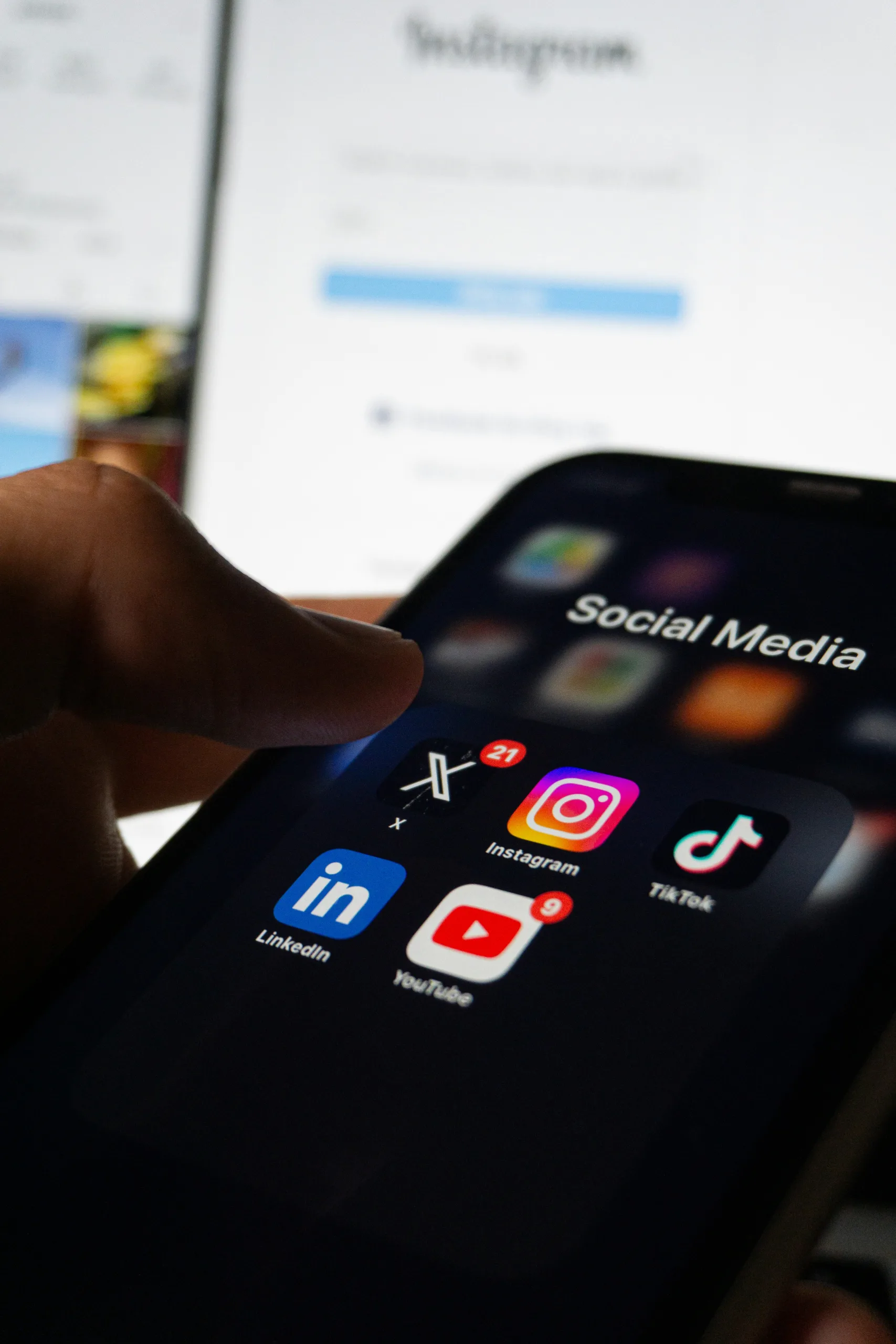
Since its launch in 2016 Tiktok has grown into a global platform with over 1 billion users worldwide. More than half its users are young people aged 15-24, making it a powerful way to connect with the youth of today. While many turn to social media platforms to stay in touch with friends and family, an increasing number also use it to follow the news, explore trending topics, and access educational content. This positions platforms like Tiktok as more than entertainment hubs — they can play a role in shaping future citizens.
Social media creates a sense of community quickly, connecting people across distances who share similar identities or experiences. A great example is the queer community which uses social media platforms to share personal stories, offer support and information around gender and sexuality. It can provide knowledge and raise awareness on the current situation and rights of LGBTQ+ people. Furthermore, social media platforms allow individuals affected by injustice or violence to directly share their stories and raise funds for their causes by linking to charity or crowdfunding sites. This creates opportunities for direct public engagement and offers perspectives that go beyond traditional news coverage, fostering greater awareness and empathy, important qualities to have. Social media can reinforce or expand on learning that begins in traditional settings like school, home, or the workplace, especially when those settings offer only brief or limited instruction. Information must be shared quickly since algorithms usually prefer short content – Tiktok is the best example of this – so content creators are efficient when presenting their ideas.
Although it’s important to note that those courses are not replaceable since the use of social media, without knowing how it works, can be more harmful than useful. Social media can also connect people in a way that traps people together in a gated community without any exterior point of view challenging the thoughts and ideas of the viewer. A part of civic education is learning to discuss and debate in a democratic context and environment.
A great number of fake news also circulate on all the social media platforms. A heavily distorted truth can be shared too quickly to be controlled by the moderators. Fake news can be seen by an extraordinary number of people in record time as information has never circulated so fast as today. Public political figures can themselves be sources of disinformation, further complicating the problem.
Only using social media as a way to educate oneself is therefore inadvisable. Like specified before, social media is primarily used for entertainment and algorithms are built to offer only the content a user would consume. Since most platforms are primarily designed for entertainment, their algorithms prioritize content that aligns with a user’s preferences—not necessarily what is accurate or educational. Without complementary instructions young people may never see content that challenges their views or promotes informed citizenship.
Social media platforms can be used as an educational tool as long as younger audiences are made aware of how to use it for this purpose, much like learning how to use a dictionary. These platforms can support traditional foundations and contribute to the development of future citizens.