In an era marked by political polarization, declining voter turnout, and waning trust in institutions, volunteering emerges as a vital form of democratic participation. Far from being a mere act of charity, volunteering is a tangible expression of civic responsibility, an avenue through which individuals contribute to the public good, strengthen social cohesion, and reinforce democratic values.
Democracy thrives not only in polling stations but also in community centers, food banks, and environmental cleanups. Volunteering allows citizens to engage with societal issues directly, often bypassing bureaucratic hurdles and partisan gridlock. In Italy, according to ISTAT’s 2023 Time Use Survey, approximately 4.7 million people aged 15 and over, about 9.1% of the population, engaged in voluntary activities, either through organizations or by providing direct help.
These volunteers contribute across sectors such as education, health, culture, and civil protection, often stepping in where public services fall short. Their efforts exemplify democratic resilience, as they “take responsibility and work on behalf of causes they believe in.” This form of engagement is especially vital in times of crisis. During the COVID-19 pandemic, for instance, Italian volunteers mobilized to deliver food, support isolated elderly citizens, and assist overwhelmed healthcare systems. In doing so, they embodied the democratic principle of solidarity, acting not out of obligation, but from a shared sense of purpose and community.
Youth engagement is a cornerstone of sustainable democracy. The OECD highlights that youth volunteering and civic service programs “foster young people’s confidence for further civic engagement, skills development, and association with democratic institutions”.
These programs not only build individual capacity but also promote social inclusion and resilience, especially among marginalized communities.
By involving young people in structured civic service, societies can counteract political apathy and cultivate a generation of informed, active citizens. Initiatives like VERA 2025 (Volunteering Equality Rights Action) aim to make volunteering more inclusive and representative, aligning with the European Democracy Action Plan to protect civic space and empower citizens.
While volunteering can substitute for formal political engagement, it is not without its limitations. Research from the University of Birmingham warns that civic engagement through volunteering may be “a privileged one,” often dominated by well-educated and economically secure individuals. This raises concerns about equity and access, especially for young people from disadvantaged backgrounds. However, initiatives like the European Solidarity Corps (ESC) offer a promising counterexample. The ESC enables young Europeans aged 18 to 30 to participate in volunteer projects across Europe while receiving free accommodation, meals, insurance, and a modest pocket allowance. By removing financial barriers, the program ensures that civic service is accessible to all, regardless of socioeconomic status, and promotes inclusive democratic participation. It exemplifies how well-designed public policy can democratize volunteering and empower a broader spectrum of citizens to engage in meaningful civic action. Volunteer-driven initiatives often inform public policy and advocate for community needs, bridging the gap between citizens and institutions.
Volunteering isn’t just about helping others; it’s about shaping the kind of society we want to live in. It is more than a feel-good activity; it is a democratic imperative. It empowers individuals to act on their values, strengthens community bonds, and fosters civic skills that are essential for participatory governance. As societies grapple with complex challenges, from climate change to social inequality, the role of volunteers as agents of democracy becomes increasingly vital.
By recognizing and investing in volunteering as a form of civic engagement, we not only enrich our communities but also fortify the democratic ideals that underpin them.
Today, active citizenship is no longer limited to just voting; the ways individuals can contribute to society have diversified. Young people can engage in social change in many areas, from local decision-making processes and volunteering to critically engaging with digital content and participating in global campaigns. In this article, we explore the different ways one can be an active citizen and how young people can experience democracy in their everyday lives.
Active Citizenship Starts in Our Communities
Being an active citizen is not limited to voting or participating in elections. It also means expressing your opinions, raising social awareness, and taking part in the decision-making processes that shape the community you live in. At this point, local engagement becomes particularly important. For example, citizens who notice a lack of transparency in a municipality, especially regarding financial management or public spending, have the right to voice their concerns. Many municipalities provide suggestion boxes or online feedback forms to allow citizens to communicate their views directly. However, true democracy is achieved not just by giving people the opportunity to speak, but also by ensuring that authorities listen to their citizens. Local governments should provide spaces where citizens can question, hold officials accountable, and support this engagement. Active citizenship is built on dialogue, transparency, and shared responsibility. When citizens and authorities act together, democracy moves beyond a simple voting system and becomes a living culture of participation based on trust.
Finding Truth in the Digital World: The Path for Young Citizens
Today, young citizens are exposed to countless digital content every day, especially on social media. However, not all of this content is reliable. Misinformation, manipulation, and disinformation have become inevitable parts of the digital world. With the rapid spread of artificial intelligence technologies, the line between real and fake is becoming increasingly blurred.
Therefore, young citizens need to approach every piece of information they encounter with a critical eye. Instead of believing content at first sight, they should ask questions such as: Who shared this information? What is the source? Is the information supported by reliable data or evidence? Such inquiries are the first step toward conscious and responsible behavior in the digital environment.
Political parties’ social media campaigns, biased content, and manipulative messages can particularly hinder critical thinking. Often, the goal of these messages is not to inform the public but to persuade them. For example, if a government wants to conceal economic problems, it may avoid addressing them on social media and divert attention to other issues. In such cases, young citizens should be able to see not only what is presented to them but also what is hidden. If young people understand how algorithms and sponsored content work, they realize that not everything they see online is accurate, impartial, or random. This awareness forms the foundation of critical thinking in the digital age. Moreover, it is crucial for every young citizen to benefit from digital literacy education. These programs teach not only how to use technology but also how it works. As a result, young people can more easily identify deepfake videos, disinformation campaigns, and echo chambers. Today, such training is widely accessible through schools, youth centers, and civil society organizations. In addition, developing critical thinking also requires young people to read extensively and participate in discussion clubs or debate groups. Listening to diverse perspectives helps individuals question and reshape their own thoughts. In these environments, young people are encouraged to research, question, and think independently.
In conclusion, young citizens who develop a habit of critical thinking learn to ask “why?” and “how?” instead of blindly believing information. This enables them to become both conscious individuals and strong defenders of democracy amid the complex flow of information in the digital age.
Local Democracy: Beginning of Global Change
The first point of contact for individuals with governance is local government. The decisions they make, the practices they implement, and the policies they set directly affect our daily lives. Therefore, every step taken by local authorities is extremely important, as actions at the local level can lead to global change.Being engaged with the municipalities in our cities is critical both for the citizen’s voice and the healthy functioning of democracy.
Local governments touch every aspect of life, including public transportation, waste management, environmental planning, education, and cultural projects.Active participation in these areas allows citizens to see the results of change more quickly and to make their voices heard more effectively.
At the same time, citizens should be involved in the decision-making process of local government, and local authorities should provide opportunities to encourage this participation. For example, making city council meetings open to the public or broadcasting them online is highly valuable for transparency. When citizens participate directly in these processes, trust in local government increases, and the sense of belonging is strengthened.
Local democracy is built on cooperation, dialogue, and mutual understanding. These elements form the foundation of a healthy democracy. It is also important for local governments to collaborate with civil society organizations and local initiatives.For instance, establishing a Youth Council allows young citizens to experience democracy not just in theory but in practice. This enables them to develop a sense of active citizenship, contribute directly to decision-making processes, and become part of participatory democracy. In conclusion, the impact of actions taken at the local level extends beyond city borders. A well-implemented policy by one municipality can serve as an example for other cities and even countries. Therefore, a strong local democracy shapes not only the local community but also the global future.
Democracy for Everyone: Age Is Just a Number
When we think of democratic participation, voting often comes to mind first. However, voting is not the only way to be involved in democracy. Age does not determine one’s ability to contribute to society and be an active citizen. Individuals under 18 can also play a significant role, as democracy is more about participation, responsibility, and awareness than age.
For example, schools can establish student councils or democracy clubs to develop young people’s skills in discussion, idea generation, and taking responsibility. These initiatives allow under-18 individuals to exercise freedom of expression, build social awareness, and develop a sense of responsibility.
Young people can also play an active role in society by volunteering with civil society organizations. Activities such as environmental clean-ups, assisting the elderly, or engaging in social responsibility projects strengthen solidarity and foster conscious social responsibility. Participation is possible not only in physical spaces but also in the digital world. Young people can join awareness campaigns on social media, create informative content, or share accurate information to counter misinformation, thus demonstrating active citizenship in the digital sphere. In conclusion, regardless of age, when young people express their ideas, show solidarity, participate in local projects, and act responsibly online, democracy is alive. Remember, active citizenship begins not with age but with the desire to make a difference.
Volunteering: A Way to Put Democracy into Practice
Volunteering is one of the most meaningful ways for young people to practice democracy in real life. Beyond voting or expressing opinions, volunteering allows individuals to take concrete steps for the benefit of society.When young people volunteer for important social issues, they raise awareness and inspire others to take action for the common good. Through volunteering, young people learn values such as responsibility, cooperation, and the power of collective effort. Participation in volunteer projects also helps them discover how they can make a difference in society and develop essential skills for active citizenship, including leadership, teamwork, empathy, and solidarity.
Volunteering is also a way to experience democracy in practice. Young people take initiative, make collective decisions, and observe how their joint efforts can improve society.Programs like Erasmus+ and the European Solidarity Corps (ESC), as well as local social responsibility projects that support the elderly, refugees, or disadvantaged children, are real-life examples of democracy in action. They offer practical experiences where citizens actively contribute to building a fair and inclusive society.
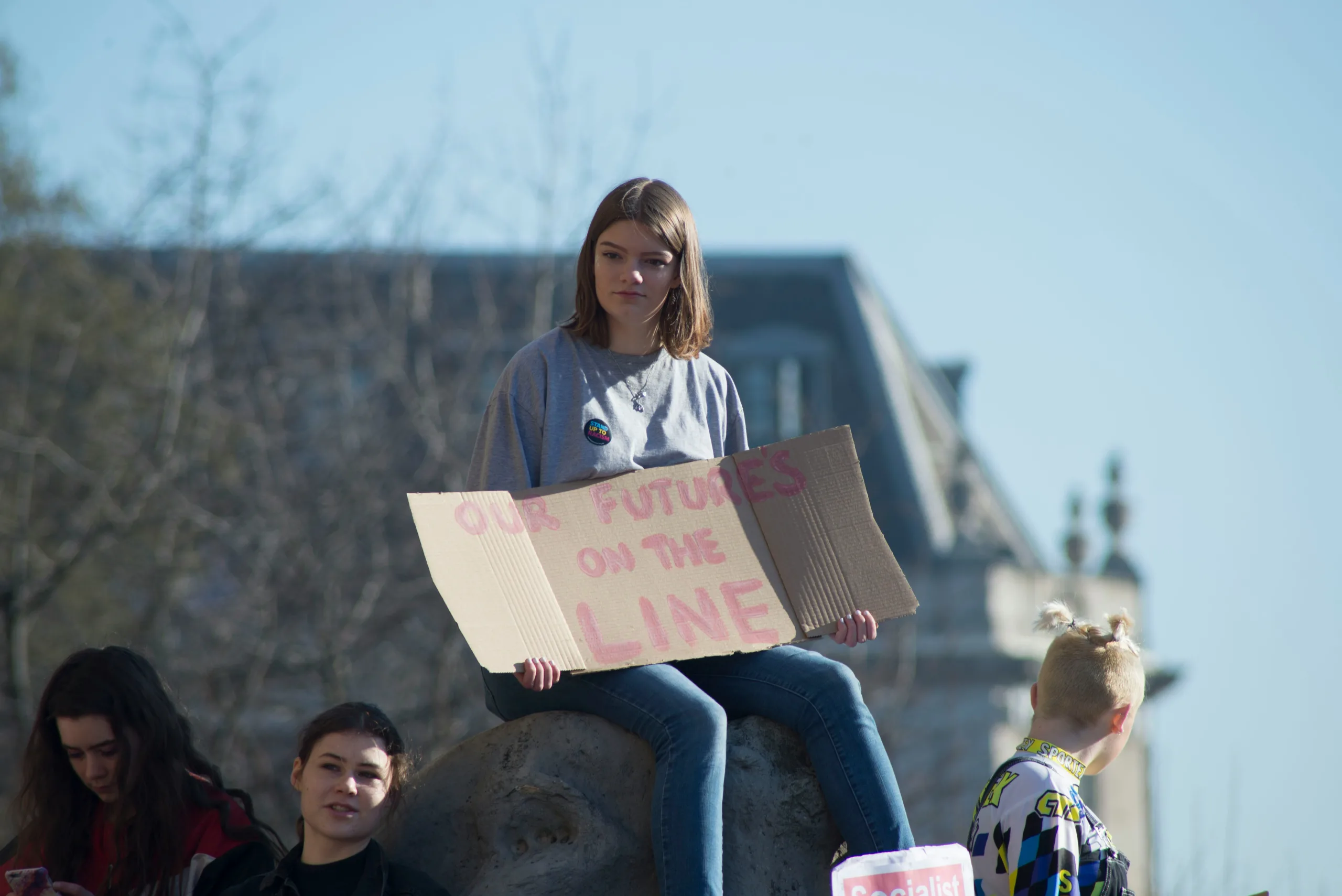
Youth Activism: Architects of Change Today In recent years, youth activism has become an increasingly powerful movement worldwide. Young people are now seen not only as the citizens of the future but also as the pioneers of change today. Inspired by climate marches initiated by Greta Thunberg, young people are taking to the streets to raise environmental awareness and call governments to accountability.In addition, young people are running active campaigns on gender equality, human rights, refugee rights, and social justice.
These movements demonstrate that young people not only have a voice but also possess the power to create real change in society.Through social media, global networks, and volunteer activities, young people form solidarity networks that cross borders. Democracy thus becomes more than just voting in elections; with active youth participation, it turns into a dynamic, living, and evolving process.These youth movements, which highlight important social issues and run various campaigns, have transformed youth activism into a strong global phenomenon, proving that young voices truly matter.
As we have seen in this article, contributing to democracy goes beyond voting; through critical thinking, volunteering, and activism, young people create tangible social change and support the vibrant and effective functioning of democracy.
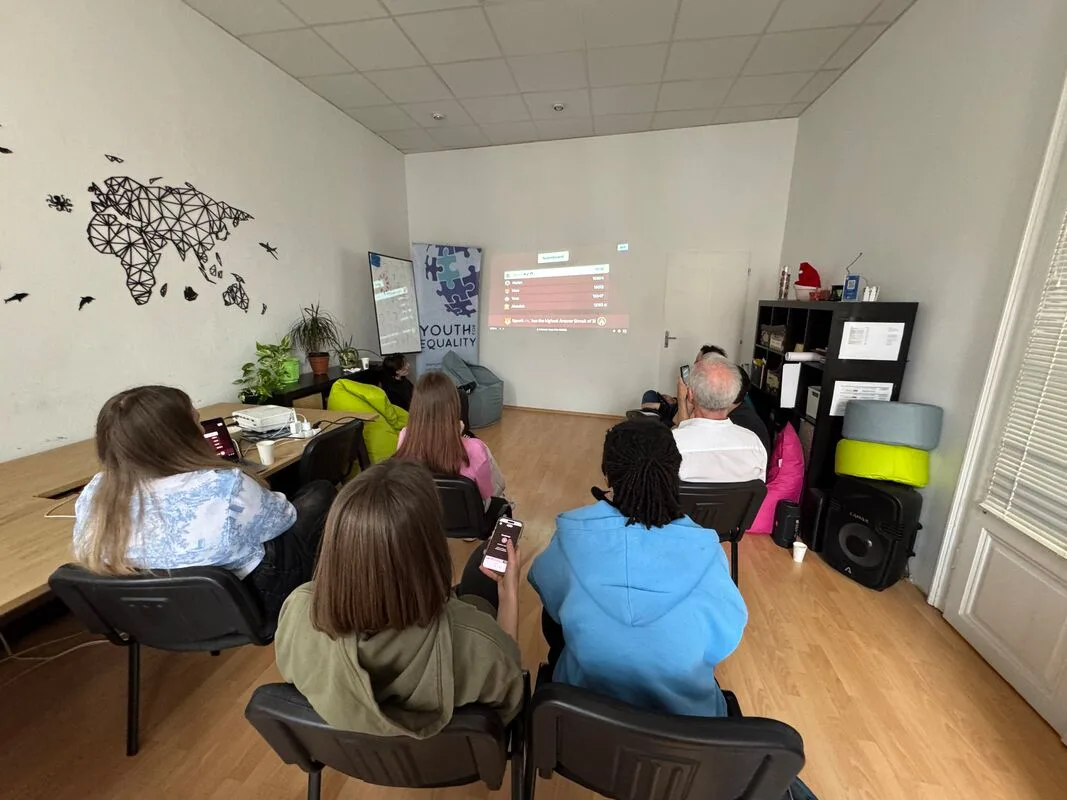
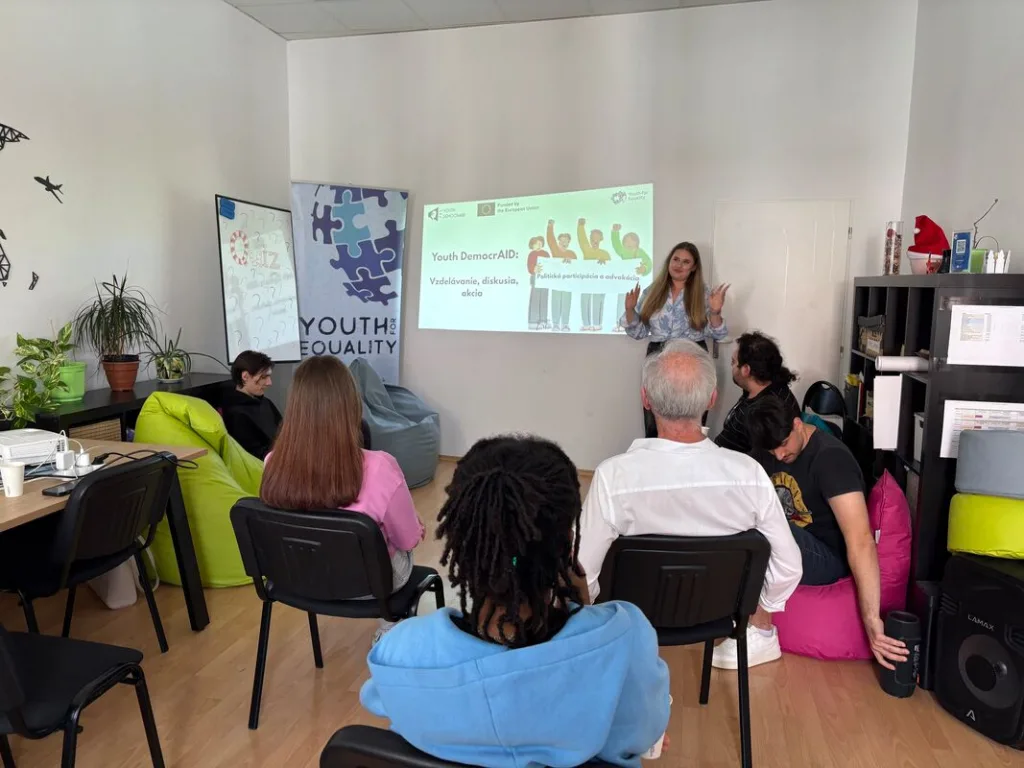
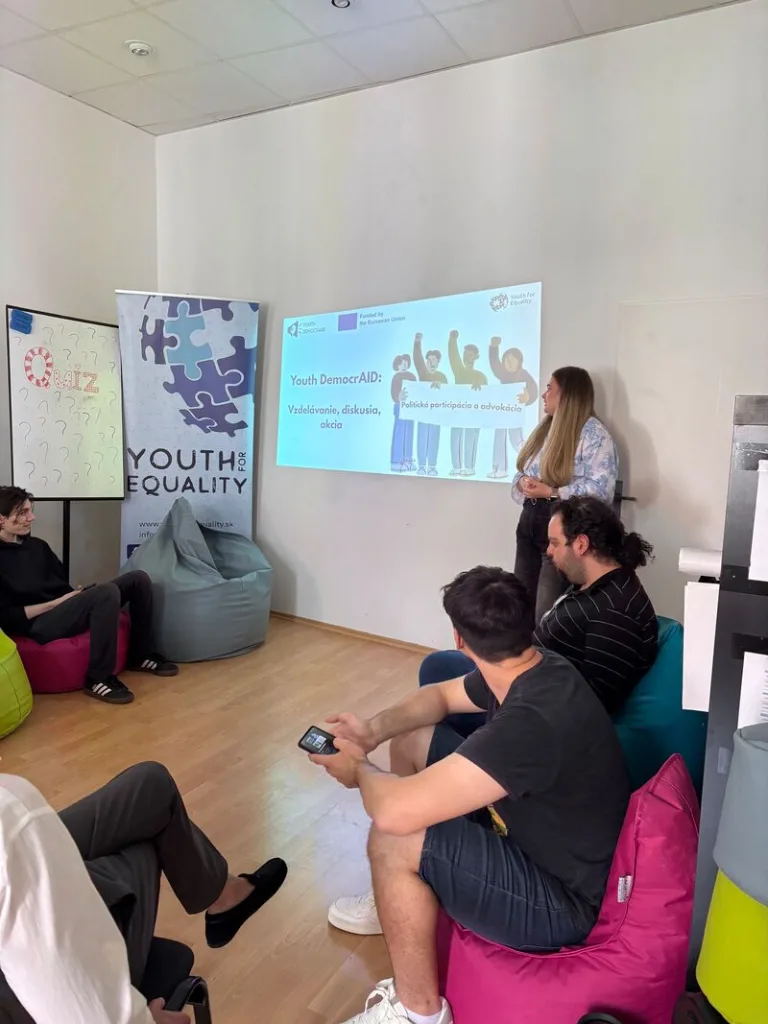
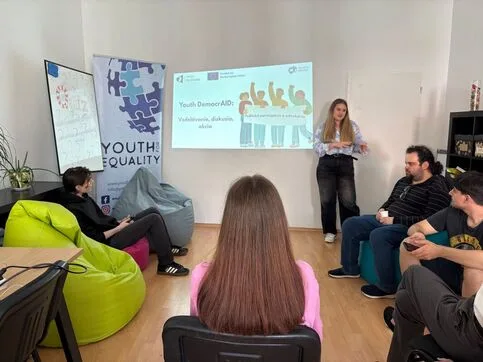
On May 28, 2025, Youth for Equality organized a local workshop titled Political Participation and Advocacy as part of the international Youth DemocrAID project, supported by the Citizens, Equality, Rights and Values (CERV) programme of the European Union. The event aimed to raise awareness among young people about the importance of political engagement and civic advocacy as essential tools for democratic participation.
During the workshop, participants explored various forms of political participation—both conventional and unconventional—and reflected on how youth involvement can drive social and political change. Through a series of interactive, non-formal activities, such as a knowledge quiz, small group discussions, and speed-debating sessions, participants had the opportunity to strengthen their critical thinking, communication, and collaboration skills.
The atmosphere was inclusive and engaging, allowing young people to freely express their opinions and engage in meaningful conversations on topics such as freedom of speech, political correctness, and the influence of digital platforms on civic participation. The session also included a final reflection activity in which participants imagined future advocacy campaigns on key social issues like mental health, education, and climate change.
Overall, the workshop successfully encouraged participants to view themselves as active members of society capable of shaping the future through democratic means. It was another meaningful step in our mission to foster civic education and youth empowerment across Europe.
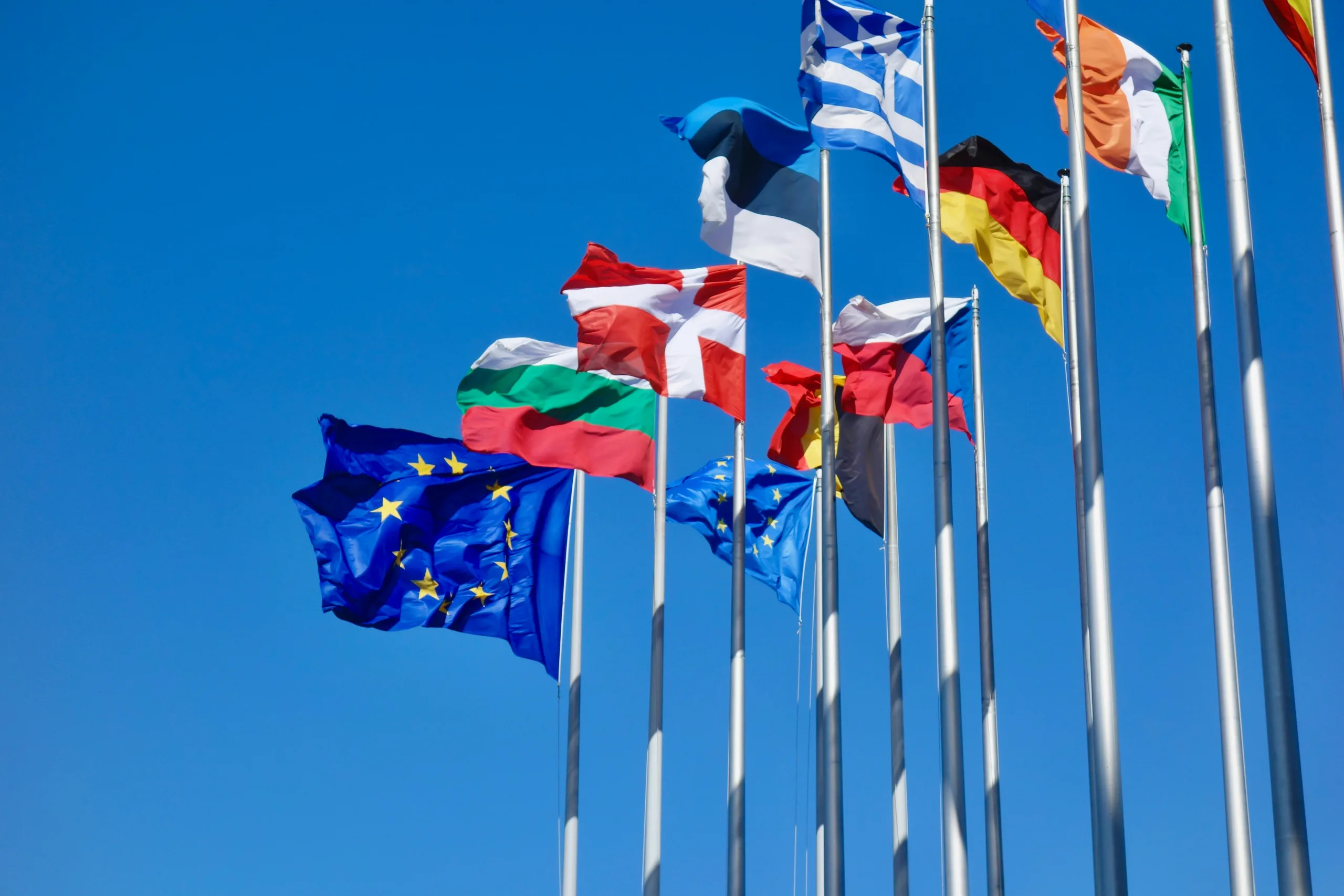
Every year on May 9th, Europe celebrates Europe Day, a key moment in the history of the European Union. It marks the anniversary of the Schuman Declaration, delivered on May 9, 1950, by French Foreign Minister Robert Schuman. This visionary speech proposed the creation of a united Europe to prevent future conflicts and lay the groundwork for lasting peace — a proposal that ultimately led to the foundation of the European Union.
Why Does Europe Day Still Matter? For young people today, Europe Day is more than just a historical commemoration. It’s a celebration of the values that continue to shape our shared future: democracy, diversity, unity, and solidarity. It’s a reminder of how far we’ve come — and a call to action for the generations who will shape the Europe of tomorrow.
Young Europeans today are not only beneficiaries of the EU’s achievements — they are active contributors to its progress. Europe Day represents their voice, their vision, and their vital role in building a continent that is inclusive, sustainable, and united in its diversity.
Youth DemocrAID and the European SpiritThe Youth DemocrAID project is a living example of youth engagement in action. Through cross-border cooperation, this initiative empowers young people to embrace European values and take an active role in shaping their communities. Youth DemocrAID embodies the spirit of civic participation, democratic dialogue, and unity, bringing together young individuals from across Europe to engage in meaningful activities — from debates and workshops to volunteering and grassroots initiatives. By participating in Youth DemocrAID, young Europeans are not only learning about the EU — they are living its values every day.
Voices of Young Europeans: What Does It Mean to Be European?We asked young people involved in European initiatives such as the European Solidarity Corps and Erasmus+ to reflect on their experiences and share their personal views on what it means to be European today.
Raquel, 22 – Spain 1. What values do you associate with the European Union? Union, safety, growth 2. What do you think is the role of youth in the future of Europe? Youth involvement is essential — it will shape the Europe of tomorrow. 3. How do you see solidarity in action through projects like yours? These projects benefit both society and the individuals involved, creating mutual growth and understanding.
Sandro Shaverdashvili, 25 – Georgia 1. What values do you associate with the European Union? Equality, freedom, education, and safety 2. What do you think is the role of youth in the future of Europe? Young people have the power to create new and innovative ideas and contribute to safer and more inclusive societies. 3. How do you see solidarity in action through projects like yours? Solidarity is evident when people support each other, share experiences, and give back to their communities — working with both youth and elders with passion and purpose.
Yana Shevchenko, 25 – Ukraine 1. What values do you associate with the European Union? Freedom of choice, diversity, opportunity, and empathy 2. What do you think is the role of youth in the future of Europe? Young people should work toward sustainability and ensure equal opportunities across generations and genders. 3. How do you see solidarity in action through projects like yours? Solidarity comes to life when people from different backgrounds live and work together, creating unity across nations.
United in Diversity From these reflections, it’s clear that Europe Day serves as a celebration of the values that unite us, even amidst our differences. The shared commitment to democracy, peace, and solidarity is what makes us European. As we look to the future, it is crucial that young people continue to be at the forefront of shaping the Europe they want to live in. Europe is not just a place; it is an idea — and its future will be built on the collective action and vision of today’s youth.
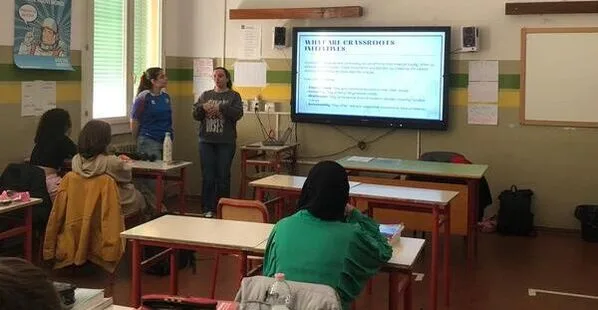
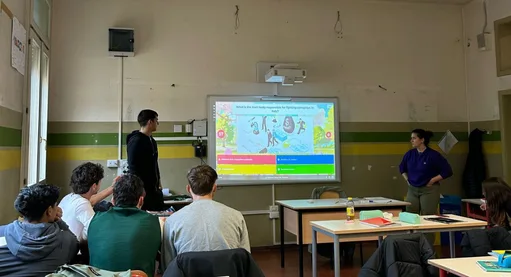
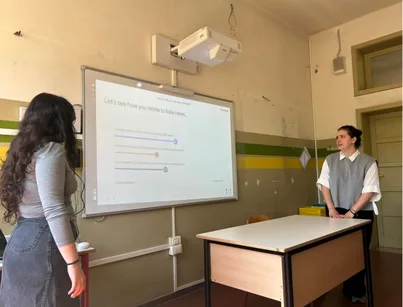
We had the opportunity to visit Liceo Laura Bassi to introduce our project, Youth DemocrAID: Education, Debate, Action, through a series of interactive workshops aimed at promoting youth engagement and democratic values. In total, we conducted four workshops, each focused on a different topic but all united by a common goal: empowering young people to actively participate in democratic life.
We began with a session on Ethical Standards and European Values, which served as a set of shared guidelines for how the workshops would be conducted — promoting respect, inclusivity, and open-minded dialogue. Following this, we introduced the CERV program (Citizens, Equality, Rights and Values), providing context for the European framework supporting our work. After that, we presented the Youth DemocrAID project, outlining its goals of education, debate, and action for empowering young people in democratic participation.
Community Action and Grassroots Initiatives
Under this theme, students took part in a dynamic activity called “Map of Change.” They identified key issues affecting their communities, explored their root causes and consequences, and reflected on how these challenges impact their daily lives.
We then moved to “From Idea to Action,” where students worked in teams to turn their ideas into real action plans. They organized their proposals into clear steps and presented them to the class for discussion and feedback.
Youth and Civic Engagement
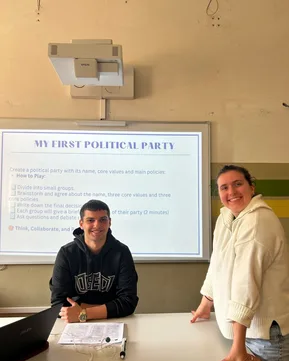
We kicked off this workshop with an energizer to boost motivation, followed by the activity “My First Political Party.” Students created fictional political parties, including names, core values, and main policy ideas. This helped them better understand how political ideologies are formed and how parties represent different viewpoints in a democracy.
We wrapped up with “Political Compass,” a quiz covering social and economic questions. Students reflected on their answers to discover where they stand politically and which ideologies align with their views. It was a fun and thoughtful way to explore personal beliefs and political positioning.
Political Participation and Advocacy
We started with a brief theoretical introduction, emphasizing how political participation strengthens democracy and shapes political awareness. Students learned about both conventional forms (like voting or joining parties) and unconventional ones (like protests and online activism).
Next, we played a “Mind Game” where students created a crossword using the phrase “POLITICAL PARTICIPATION,” brainstorming words and ideas connected to political life. Then we tested their knowledge through a Kahoot quiz about the political systems in Italy and the European Union. We closed the session with “Speed Debating,” where students rotated tables to discuss a range of political topics. This helped them practice expressing their opinions, listening to others, and thinking critically.
Introduction to Democracy and Citizenship
In our final workshop, we introduced the basics of how democracy works in Italy and invited students to share their knowledge. Using Mentimeter, we collected their opinions on the current state of democracy in their country.
We ended with a game called “Be a Fake News Content Creator.” Students analyzed various news stories, learning how to distinguish between real and fake information. The activity highlighted how misinformation can harm democratic processes and the importance of media literacy.
Throughout the sessions, we encouraged students to actively participate, think critically, and collaborate with their peers. Their enthusiasm and creativity were truly inspiring, and it was exciting to witness their engagement in shaping positive change within their communities. These workshops reaffirmed the importance of fostering youth-led initiatives and equipping young people with the tools to turn their ideas into meaningful action. We’re proud to support a generation that is ready to make a difference.
Who can claim not to have any social media presence nowadays? If you’re reading this article, chances are you have accounts on at least three different platforms. Social media has become inseparable from our daily lives—we reconnect with old friends on Instagram, stay updated on the latest news via X, and laugh at memes on TikTok.
What’s even more intriguing is that social media today is not just a hub for light-hearted entertainment; it has evolved into a vital tool for political engagement. Politicians now recognize the necessity of mastering these platforms to connect with younger voters. Data from 2020 reveals that 97% of youth aged 12-17 engaged with at least one social media site, and 70% received information about the 2020 election through these channels. [1]It’s only natural, then, for politicians to expand their social media presence to communicate their messages effectively.
However, young people don’t solely consume political content from official accounts. They also engage with posts shared by peers, influencers who specialize in breaking down current events and encouraging civic action and famous people who decide to take the stand for what they believe in. For instance, during the 2024 U.S. elections, the role of celebrities was particularly impactful. When Taylor Swift announced her support for the Democratic Party on Instagram and X, her message prompted thousands of fans to register to vote almost immediately. Influencers often serve as trusted sources for political news because they communicate in ways that resonate with younger audiences.
Traditional media, such as television and newspapers, often struggle to engage young people. Their messaging can come across as out of touch, sometimes even criticizing youth as easily influenced or apathetic. In contrast, influencers know how to simplify complex issues and present them in relatable, digestible formats, which explains their significant influence on youth engagement.
When young people are addressed in ways they find relatable, their contributions to democracy can be transformative. The Fridays for Future movement is a prime example. Swedish activist Greta Thunberg, then a teenager, tapped into the fears and frustrations of her generation about the climate crisis. By leveraging social media, she amplified her message and mobilized a global movement, which not only brought millions to the streets but also influenced elections by empowering environmentalist parties across Europe.
The platforms most used for spreading messages are Instagram, TikTok, and X. Instagram excels at sharing infographics that spark discussions on specific topics. TikTok, especially popular since the pandemic, allows creators to post longer videos, enabling deeper dives into complex issues. X, meanwhile, remains a useful tool for directly interacting with politicians, critiquing them, or holding them accountable through public posts. Beyond social media, other digital tools like podcasts and virtual forums are also crucial for fostering democratic engagement among youth. Podcasts, for example, can host in-depth discussions on topics relevant to young people, often featuring expert interviews. Many podcasts focus on dissecting current events in accessible language, making it easier for listeners to understand political matters compared to traditional news outlets.
Virtual forums provide another avenue for meaningful debate. These spaces allow young people to discuss pressing issues with like-minded peers, which can be difficult to do in person due to a lack of accessible venues or interested participants. Online debates also give policymakers insights into the priorities of younger voters, helping shape policies that reflect their views.
In conclusion, technology has fundamentally transformed how young people interact with political issues. Youth now learn about current events through social media, then translate that knowledge into action by voting or advocating for change. This demonstrates that the digital world can be a powerful tool for increasing youth participation in democracy. To maximize its potential, those who seek to involve young people in civic life must harness platforms like social media, podcasts, and virtual forums in ways that captivate and inspire.
This is precisely why the Youth DemocrAid project was created. The initiative utilizes podcasts and digital tools to connect young people with democratic education. As part of the project, five distinct podcasts will feature interviews with national political representatives, activists, NGOs, and community members who share their stories, creating a shared and publicly accessible library. Over the coming years, the project will expand through a network of partners from the five participating countries: Italy, Poland, Greece, Portugal, and Slovakia. Through this project, young people will have the opportunity to engage with politics by fostering the exchange of ideas and facilitating debate at a European level about the negative impacts of youth disengagement in democratic processes. The primary goal of the project is to raise awareness about this issue by promoting participation and employing methods of informal education.
While the digital realm offers immense potential, it’s essential to use it responsibly to prevent issues like misinformation. With projects like DemocrAid, we can ensure that digital engagement becomes a force for good. Embracing these tools is the way forward—we just need to learn how to use them effectively!
Bianca Finessi, student of the University of Bologna.
Reference
1) Fletcher I (2023, October 3). “Increase in social media use spurring youth political engagement”, Diplomatic Courier.
Over the past decade, Europe has experienced a series of transformative events that have significantly affected its citizens. These include the economic crisis, the rise of populism, increasing anti-European sentiment, and a surge in nationalism. Amidst these changes, one demographic remains consistently underrepresented, even though its influence could profoundly shape the continent’s future: young people.
In this article, I will explore how young people are engaging with civic life and why their involvement is essential for the future of European democracy.
To begin with, the 2019 European election saw the highest voter turnout in more than 20 years, with over half of the European population casting their ballots. Notably, youth participation surged from 28% [1] in the 2014 elections to 42% in 2019. This increase reflects a growing interest among young people in the electoral process, which is a highly positive outcome. But why is it so critical for as many young citizens as possible to engage in civic society?
There are several key reasons. First, youth participation strengthens European democracy by ensuring that governments take into account the perspectives of this vital demographic. The attitudes and values of younger generations often signal future social and political trends. Additionally, when a larger proportion of a country’s population engages in civic life and voting, lawmakers can pass legislation that is more inclusive and reflective of the aspirations of a broader section of society. This inclusivity can foster a more peaceful and cohesive society.
Young people, in particular, will feel the long-term effects of government decisions—such as those related to taxation—throughout their lives. Hence, it is crucial that they stay informed and active in shaping the world around them, advocating for necessary improvements in society.
Civic engagement is not an abstract concept; it is the foundation of our communities, shaped by our collective efforts. Therefore, it is imperative that we strive to align our societal structures with the principles and values we hold dear.
One of the current challenges is that youth engagement varies greatly across European nations. Some countries, like Portugal (15.7%), Slovakia (15.7%), Greece (15.2%), and Italy (15%), have relatively smaller youth populations compared to nations such as Iceland (20.9%), Cyprus (19.8%), or Denmark (19%). In countries like Poland, Slovakia, and Italy, over 60% of young people do not actively participate in civic activities, while nations like Greece and Portugal report higher youth participation, with around 50% engagement.
There are many reasons why some young people may be less inclined to participate. These include lack of time, insufficient interest, or simply never having been invited or encouraged to get involved.
So, how can young people participate in democracy beyond voting? Civic engagement encompasses a wide range of activities. Youth can express active citizenship through protests, petitions, or direct communication with political representatives, ensuring their voices are heard throughout the year, not just during elections. Directly addressing decision-makers on pressing issues can be a powerful way to influence change.
Young individuals can also contribute to society by volunteering, organizing, or joining cultural and leisure activities. Research indicates that over half of Europe’s young citizens are involved in initiatives promoted by youth organizations. Popular forms of engagement include sports, volunteering, and recreational hobbies.
Even small actions can count as civic engagement. For instance, using a specific hashtag, changing a profile picture on social media to signal support for a cause, posting about a recent event, or boycotting a brand are all ways young people can engage with societal issues.
Recognizing the importance of youth participation, the European Union has implemented a Youth Strategy aimed at fostering greater engagement in both democracy and society.
To further encourage youth involvement, initiatives should focus on issues that resonate with this age group. Across Europe, young people tend to share common concerns, such as addressing poverty and inequality, combating climate change, protecting the environment, and reducing unemployment. Furthermore, they are often strong supporters of the EU and generally express higher satisfaction with how democracy functions within the Union compared to older generations.
Creating specific programs to engage youth, such as internships in political institutions or continuous dialogue with politicians, could help young people feel more connected to and represented within the political system. These opportunities would demystify politics and make it more accessible to the younger population, reinforcing their role in holding elected officials accountable.
In conclusion, building a diverse and inclusive European democracy depends on encouraging young people to take an active role as citizens. This can only be achieved by creating opportunities that resonate with their interests and address the issues most important to them. Moreover, efforts to engage youth in civic society must strive for inclusivity, ensuring that all young citizens, regardless of socio-economic background, religion, ethnicity, gender, or other factors, have an equal opportunity to shape the future of democracy in their countries.
Given the current state of affairs in the European Union, it is increasingly evident that safeguarding the future of European democracy requires governments and institutions to not only invite but prioritize youth participation, embedding their voices in decision-making processes at all levels is essential.
Bianca Finessi, student of the University of Bologna.
References
European Union, Understanding youth engagement in Europe through open data, data.europa.eu, 2023.